
Spot the warning signs before they spot you.
Lint is fuel, and a hot, restricted dryer is a known fire hazard. A risk assessment looks for the conditions that make a dryer fire more likely.
- Checks: Lint, duct type, length and heat
- Looks at: Dryer, duct and vent hood
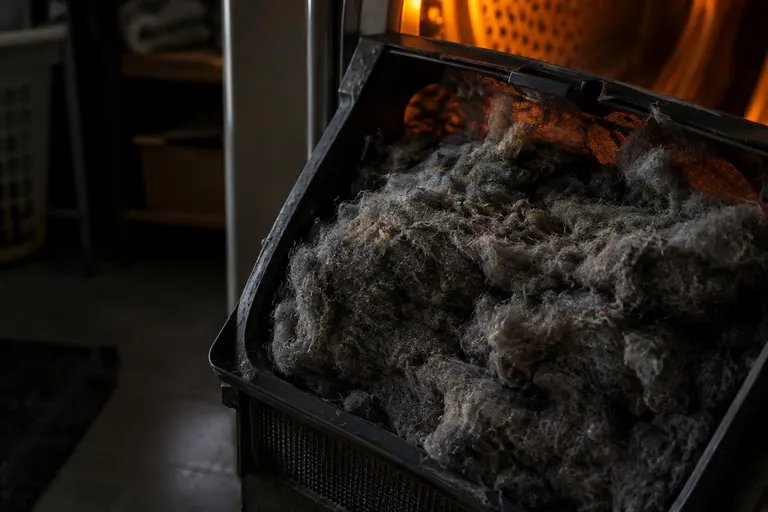
What it is, and why it matters.
Fire agencies list lint buildup and blocked vents among the leading causes of home dryer fires. A risk assessment looks at the things that raise the odds: heavy lint, crushed or foil duct, a long run, a hot dryer and a failing vent hood.
We check each of those, explain which ones apply to your home and rank what to fix first. It is a practical review, not an alarm, and it ends with a short list you can act on.
Four things done right.
Based on real factors
We look at lint, duct, length, heat and the vent hood.
A ranked list
You see what to fix first and what can wait.
Plain talk
We explain the risk without scare tactics.
Pairs with cleaning
Many risks drop right after a thorough cleaning.
From first call to dryer fire risk assessment.
- 1
Look at the dryer
We check the lint trap, the heat and the connection.
- 2
Check the duct
Material, length, joints and lint are reviewed.
- 3
Check the exit
The vent hood and flap are inspected.
- 4
Rank and report
You receive a short, ranked list of fixes.
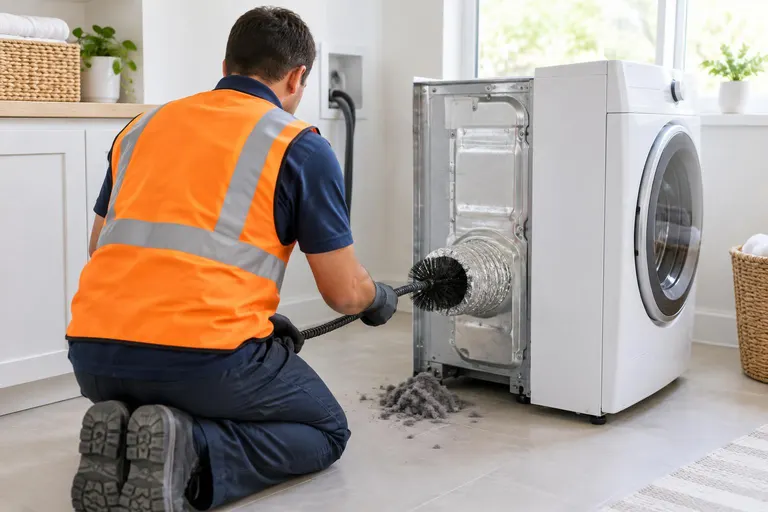
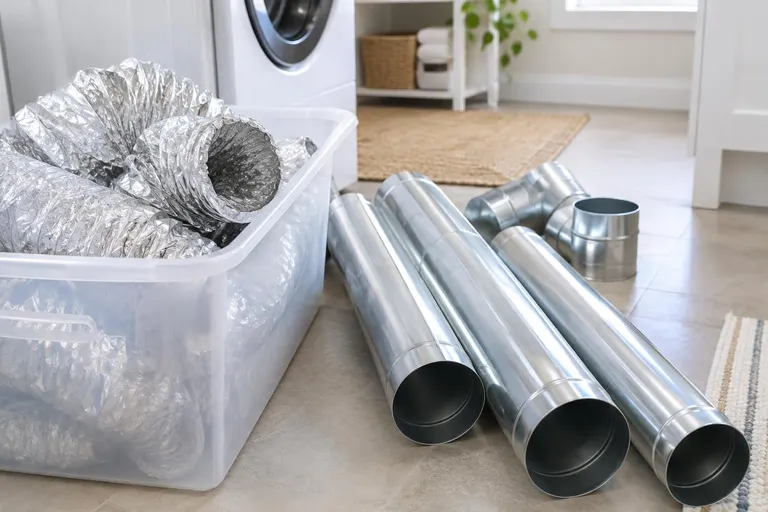
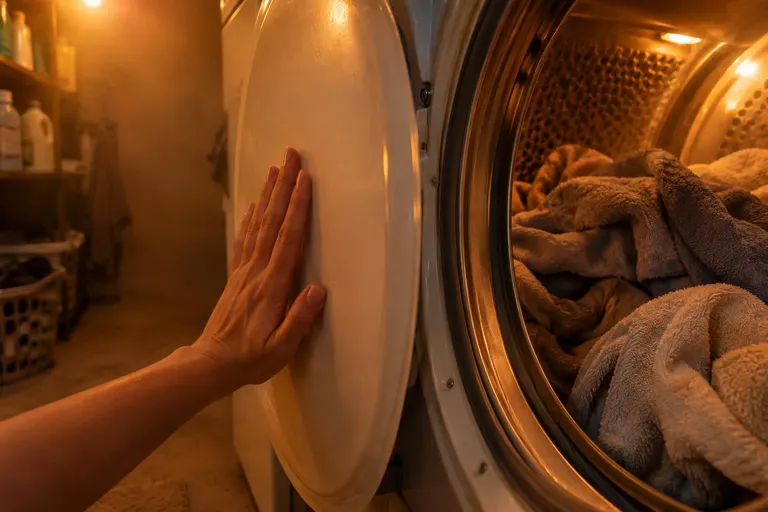
Dryer Fire Risk Assessment in cities across the country.
We do this work for homes and businesses from coast to coast. Find your city to see the climate and homes we plan for.
Dryer Fire Risk Assessment: common questions
Is my dryer a fire risk?
Any dryer with a clogged vent, foil duct or heavy lint is at higher risk. An assessment tells you where yours stands.
What should I do right now?
Clean the lint trap after every load, never run the dryer when you are away, and do not use it if the vent is badly blocked.
How do I get a quote for dryer fire risk assessment?
Fill in the form or call or text 800-313-8481. A few details about the dryer and the vent, or a photo of the vent hood, usually give us what we need, and we send a written price.
Ready to talk about dryer fire risk assessment?
A few details or a photo of the vent, and a written price.